Why Load Confirmation Automation Matters for Brokers and Carriers
There is a quiet moment in every freight operation that determines how the rest of the day goes. It happens when a load is tendered, the carrier accepts, and someone has to send out the confirmation. For many brokers and carriers, that step still involves copying details from an email, pasting them into a system, and hitting send. It sounds simple, but it is where errors creep in, where time disappears, and where relationships start to fray.
I have seen this happen more times than I can count. A dispatcher gets a load confirmation, but the pickup number is wrong. Or a broker sends the same load to two carriers because the first confirmation never made it back. These are not rare events. They are the daily friction that makes freight operations feel harder than they need to be. That is why load confirmation automation has become such an important piece of modern transportation management software.
When you automate the load confirmation process, you are not just saving a few clicks. You are removing the manual steps that lead to mistakes and delays. The confirmation goes out the moment the load is booked, with the correct details, to the right people. It sounds like a small thing, but in a world where margins are thin and shippers expect constant updates, it makes a real difference.
What Load Confirmation Actually Covers
Before we go further, it helps to define what we mean by load confirmation. In freight, a load confirmation is the document or message that confirms the details of a shipment between a broker or shipper and a carrier. It includes the pickup and delivery locations, the times, the rate, the reference numbers, and any special instructions. It is the official go-ahead for the carrier to move the load.
For a long time, this was done over the phone or through a series of emails. The broker would call the carrier, read out the details, and then follow up with a written confirmation. That works, but it is slow and prone to errors. If the carrier writes down the wrong time or the broker forgets to mention a lumper fee, the problem shows up later, often at the dock or during a check call.
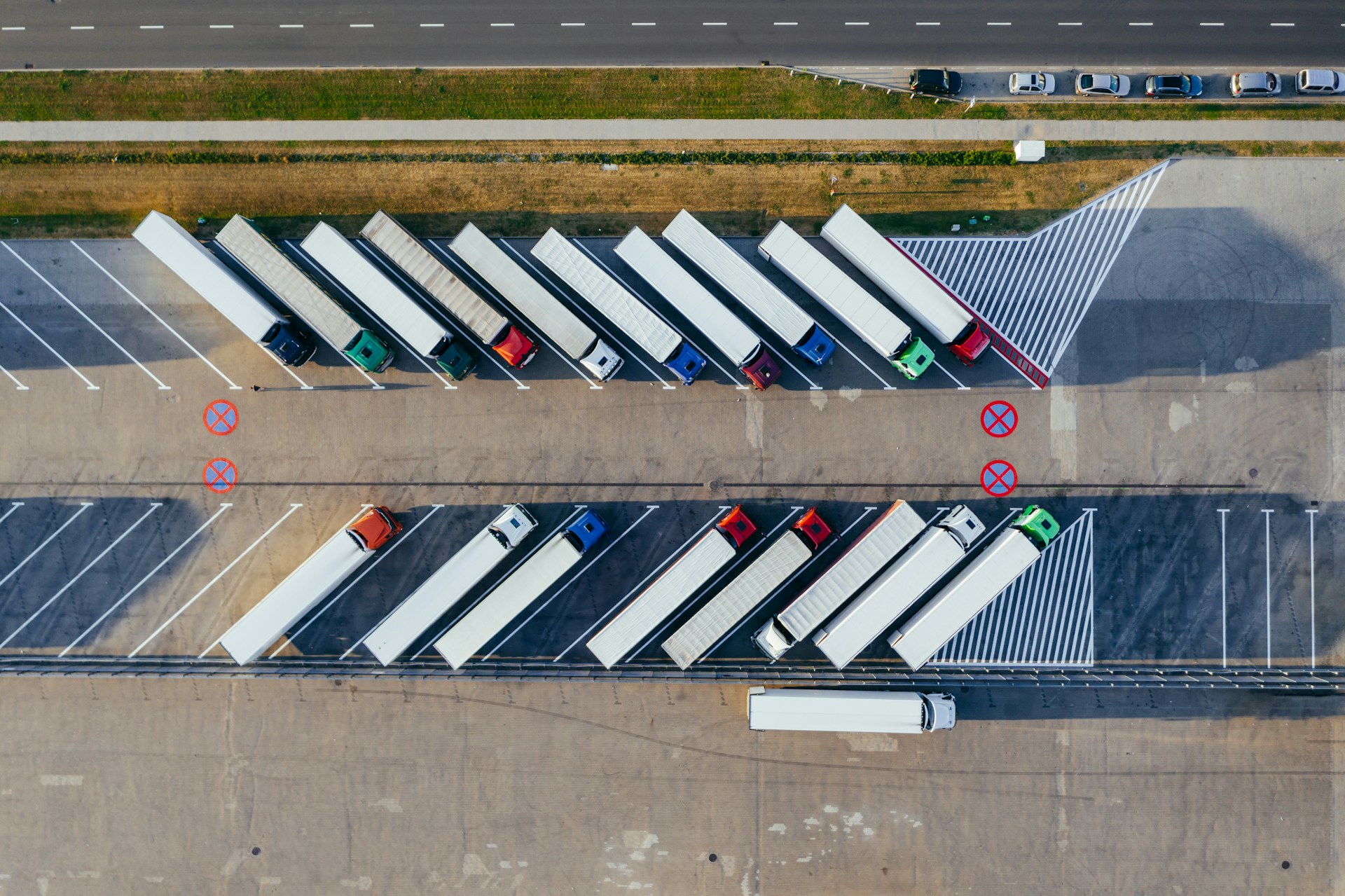
Freight automation changes that. Instead of a person copying and pasting, the system generates the confirmation automatically from the load data. It pulls the carrier details, the route, the rate, and the instructions, and sends it all in a clear, consistent format. The carrier can review it, accept it, and the load is set. No back and forth, no missed fields.
How Email Integration Makes It Work
One of the reasons load confirmation automation is so effective is that it works with the tools people already use. Email integration is the bridge. Instead of forcing carriers to log into a portal or use a specific app, the automation can send and receive confirmations through regular email. That is a huge deal for smaller carriers who may not have fancy systems.
I have worked with carriers who run everything from a single phone and a notebook. They are not going to adopt a new platform just to get a load confirmation. But they will reply to an email. So when the transportation management system sends a confirmation that looks like a normal email, with all the details laid out, the carrier can confirm with a simple reply. That reply then updates the system automatically, so the broker sees the status without having to manually enter anything.
This kind of email integration also helps with quote requests and load booking. When a broker receives a quote request, the system can parse the email, create a load, and send out tenders. The carrier's acceptance or rejection can come back as an email, and the system updates the load status. It is a complete loop that runs on the back of email, which is still the backbone of freight communication.
Beyond the Confirmation: The Ripple Effect
Load confirmation automation does not exist in a vacuum. When it works well, it feeds into the rest of the operation. The confirmed load becomes the basis for tracking, check calls, and electronic proof of delivery. If the confirmation is accurate and timely, everything downstream is smoother.
Consider a broker who uses a system like LuneTMS, an AI-powered transportation management system that integrates with email to handle quote requests, load creation, tracking, and check calls. When a load is confirmed through automation, the system already knows the carrier, the route, and the expected times. It can set up automated check calls, send tracking links, and even match the electronic proof of delivery when the driver uploads it. The confirmation is the foundation, and the automation ensures that foundation is solid.
For carriers, the benefit is just as clear. An automated confirmation means less time on the phone with a broker, less risk of picking up the wrong load, and a clear record of what was agreed. That helps with carrier management, because both sides have the same information and there is less room for disputes later.
Practical Steps to Move Toward Automation
If you are still doing load confirmations manually, you might wonder where to start. The good news is you do not have to overhaul everything at once. Here are a few practical steps that work well in real operations:

- Start with your most frequent lane or your top carrier. Automate just that confirmation process and see how it goes.
- Make sure your email integration is set up properly. The system needs to send and receive confirmations from the right addresses.
- Use a standard confirmation template. That reduces confusion and makes it easier for carriers to read and respond.
- Train your team on the new process. The automation is only as good as the people who use it.
- Review the audit trail. Automated workflows create a record of every confirmation, which helps with disputes and compliance.
I remember helping a small carrier switch from manual confirmations to an automated system. The owner was skeptical, because they had been doing it the same way for twenty years. But after a week, they saw how much time the dispatcher saved. The dispatcher no longer had to type out confirmations for every load. They could spend that time on the phone with drivers, solving real problems on the road.
Common Misconceptions About Automation
Some people think automation means losing control. They worry that the system will send the wrong confirmation or that they will not be able to step in when something changes. That is not how good load confirmation automation works. It is designed to give you more control, not less.
With the right system, you can set the rules. You can decide when a confirmation goes out automatically and when you want to review it first. You can add exceptions for loads that need manual handling. The automation handles the routine, so you can focus on the exceptions. That is the real value of freight automation.
Another misconception is that automation is only for big companies. That is simply not true. Even a one-person brokerage can benefit from having the system send out confirmations while they focus on finding the next load. The cost is often lower than you think, especially when you consider the time saved and the errors avoided.
The Role of AI and Future Trends
As AI becomes more common in transportation, the capabilities of load confirmation automation are expanding. An AI-powered transportation management system can learn from past loads, predict which carriers are likely to accept a load, and even suggest the best confirmation language. It can also handle more complex scenarios, like multiple stops or special equipment, without missing a detail.
We are already seeing digital freight matching and load booking become more integrated with confirmation workflows. The load tender might come through a digital platform, but the confirmation still needs to reach the carrier in a way they can act on. Email remains the great equalizer, and that is why email integration is so central to these systems.
Supply chain visibility is another area where load confirmation automation has a direct impact. When confirmations are captured automatically, the data is available in real time. That means everyone, the broker, the carrier, the shipper, can see that the load is confirmed and moving. It is the first step in a chain of visibility that includes tracking, check calls, and proof of delivery.

Making the Right Choice
If you are evaluating transportation management software, pay close attention to how it handles load confirmation. Ask to see a demo where they send a confirmation and receive a response. Look at how the system handles exceptions, like a carrier that replies but changes the pickup time. The best systems make that easy to manage.
You also want to consider the carrier experience. If the confirmation is clunky or confusing, your carriers will not thank you. Choose a system that sends clean, professional emails that look like they came from a person, not a robot. That builds trust and makes carriers more willing to work with you.
Load confirmation automation is not a luxury. It is a practical tool that improves accuracy, saves time, and strengthens relationships. The next time you see a load confirmation sitting in an inbox, think about how much simpler it could be with the right system in place. That mental shift is the first step toward better freight operations.